Elevate Your Bathroom with Stunning Tile Decorations


Intro
In the realm of home design, bathrooms often stand apart as a sanctuary of personal care and relaxation. Yet, they frequently face the challenge of being overlooked when it comes to aesthetics. Tiling plays a crucial role in transforming these utilitarian spaces into a visual delight. By understanding tile decorations, homeowners can not only enhance the beauty but also increase the functionality of their bathrooms.
From the ground up, tiles contribute to the ambience, mood, and style of the bathroom. They can evoke feelings of calm through subdued colors or create a focal point that draws the eye. This guide aims to demystify tile decorations, offering insights into design inspirations, trending styles, and practical suggestions for installation and maintenance.
Let’s explore the exciting world of tile decorations, discover how to harmonize colors and textures, and ultimately pave the way for a more luxurious bath retreat.
Design Inspirations
Modern vs. Traditional Bath and Bedroom Styles
When deciding on tile decorations, understanding the stylistic divide between modern and traditional designs is essential. Modern bathrooms typically embrace minimalism and sleek lines. Imagine glossy porcelain tiles in muted hues like grays and whites, working in tandem with chrome fixtures to create an uncluttered vibe. Conversely, traditional bathrooms lean towards warmth and ornate details. Here, textured ceramic tiles in earthy tones or vibrant patterns celebrate the craftsmanship of yesteryear.
It's important to consider the overall architecture of the home. A modern tile might feel out of place in a Victorian-style house and vice versa. Efforts to achieve harmony can greatly enhance not only the bathroom but the home overall.
Color Palettes and Textures
Color is perhaps the most integral element when choosing tiles for the bathroom. For instance, soft pastel shades can bring serenity, while bold colors can create eye-catching contrasts. A soft aqua tile combined with neutral fixtures instills a feeling of tranquility, certain to help anyone unwind after a long day.
Texture can also alter the perception of the space. Matte finishes are often favored in modern designs because they radiate subtle elegance. On the other hand, glossy tiles amplify light, ideal for smaller bathrooms needing a sense of expansion. Incorporating textured tiles not only adds depth but also enhances the tactile experience as one navigates the space.
"Choosing the right color and texture can turn your bathroom into a personal oasis while reflecting your unique style."
A well-thought-out tile arrangement can transform a mundane wall or floor into a striking artistic statement. Consider using patterned tiles as accents or creating a powerful backsplash behind sinks or baths to make a memorable impression.
These factors—style, color, and texture—serve as the backbone of any tile decoration project, guiding homeowners to curate an atmosphere that caters to their design aspirations while ensuring functional comfort.
Understanding Tile in Bathroom Design
When it comes to creating a bathroom that’s not only functional but also appealing, understanding the role of tiles is crucial. Tiles can truly make or break the design of a bathroom. They’re not just barriers to water and moisture—they can also reflect a homeowner's style and set a particular mood. Choosing the right tile has significant implications for durability, maintenance, and the overall aesthetic of the space.
Moreover, tiles offer a multitude of functionalities; they serve various purposes depending on their type and placement. They can enhance safety in wet areas, create visual interest, and contribute to the easy cleaning and upkeep that modern homeowners desire.
The Functionality of Tiles
Tiles in a bathroom serve several fundamental functions. First, they protect walls and floors from moisture damage, which is vital in a high-humidity environment. Secondly, they add texture and color that can transform the bathroom from plain to stunning. With countless styles and finishes available, tiles can meet practical needs while also allowing homeowners to express their personal style.
For instance, non-slip tiles are ideal for flooring, reducing the risk of slipping when floors are wet, while glossy tiles can visually expand the space, making it feel larger. When choosing tiles, these multifunctional aspects should play a considerable role in decision-making.
Types of Tiles: A Brief Overview
When looking to tile your bathroom, it's helpful to understand the different types available, as each brings its own character and benefits. Here’s a quick glimpse:
- Ceramic Tiles
Ceramic tiles are notoriously popular due to their versatility and wide range of styles. What makes them a great choice is their ability to handle moisture while being relatively easy on the budget. They're typically made from clay and are available in both glazed and unglazed varieties—each offering distinct aesthetics and usability.
From a practical standpoint, ceramic tiles are relatively easy to clean and are resistant to stains. However, the glossiness can sometimes lead to slips if not finished with a non-slip surface, especially in wet areas. - Porcelain Tiles
Porcelain tiles take the cake when it comes to durability. Since they are denser than ceramic tiles, they’re more resistant to water and scratches, making them an excellent choice for high-traffic bathrooms. They come in various colors and designs, mimicking everything from natural wood to stones and more elaborate patterns. One drawback is their weight and sometimes more demanding installation process. Nevertheless, for longevity and practicality, porcelain is a smart choice. - Natural Stone Tiles
If you aim for sophistication, natural stone tiles might just tickle your fancy. Maven-created from granite, marble, or slate, they are unique in appearance, boasting variances in colors and patterns. While they exude elegance, their porous nature requires more maintenance and sealing to prevent staining and water damage. The price point is typically higher than ceramic and porcelain options, which might put them out of reach for budget-conscious homeowners, but the investment can be worth it for a luxurious feel. - Glass Tiles
For those wanting to add a touch of modernity, glass tiles are compelling. They can inject light into your bathroom and create a dazzling visual effect. Generally, glass tiles are used for accents or as backsplashes rather than wider surfaces. One downside is that they can be brittle and chip easily if not handled correctly. However, their stunning finish and ability to brighten a space often outweigh these concerns.
Design Principles for Tile Decor
When it comes to bathroom design, tile decorations play a pivotal role in achieving not just a visual appeal but also functionality that withstands the test of time. Understanding design principles helps homeowners and decorators to create spaces that are not only aesthetically pleasing but also practical and enduring. Here, we delve into several critical elements of tile decor that should be at the forefront of every bathroom renovation or construction project.
Color Theory in Bathroom Tiling
Color is arguably one of the most significant elements in design. In bathrooms, it can create moods. Lighter shades, like soft blues and whites, often evoke a sense of calmness, making the space feel breezy and open. Conversely, deeper hues like navy or charcoal can add a touch of sophistication and warmth.
When selecting colors, think about the overall atmosphere. Would you prefer a refreshing spa-like retreat, or something more bold and energizing? Remember, color can also affect perceptions of space. Dark colors can make a room feel smaller while light tones can enhance a sense of airiness. So, choosing the right color scheme is crucial in setting the tone for your entire bathroom.
Textures and Patterns
Glossy vs. Matte Finishes


Texture can significantly influence the ambiance of your bathroom. Glossy finishes often reflect light beautifully, which can add brightness and depth to your space. They are popular for small bathrooms since the light bounce creates an illusion of more space. However, glossy tiles may show water spots and fingerprints, requiring more regular cleaning. On the flip side, matte finishes provide a more subdued appearance and usually conceal smudges better. They offer a more relaxed vibe and are less slippery when wet, which is an undeniable advantage in a bathroom setting.
Geometric Patterns
Geometric patterns have surged in popularity and can turn your bathroom into a visual delight. Straight lines and shapes can introduce a modern and structured feel. These patterns can be used subtly or boldly, depending on one’s taste. One can incorporate geometric tiles in a small section for an accent design or go all out with patterned flooring. However, the drawback is that overwhelming patterns might clash with other decorative elements, requiring careful planning to avoid visual chaos.
Vintage and Rustic Styles
Vintage and rustic tile styles present a charm that many may find appealing. These types of tiles often feature unique patterns, weathered looks, and rich colors that resonate with a nostalgic charm. They can bring warmth to the coldness that sometimes accompanies modern finishes. A rustic style can sometimes make maintenance a chore due to its textured surface, which can gather dirt more easily. Hence, if you’re leaning towards a vintage look, consider your cleaning habits to ensure it remains inviting over time.
Creating Visual Balance
Creating visual balance in bathroom design is like crafting a culinary masterpiece—you want to put all ingredients together in the right proportions. Balanced design makes a space feel harmonious and well-planned. This can be achieved through the careful placement of tiles, ensuring colors complement rather than compete with each other. Consider using a larger format tile in the main areas to draw the eye, while adding smaller accent tiles to create interest without overwhelming.
In essence, thoughtful application of these design principles can elevate your bathroom decor from mundane to marvelous. No detail should be overlooked as each contributes to the collective ambiance and usability that defines the space.
"Good design is as little design as possible." – Dieter Rams
By focusing on colors, textures, patterns, and balance, you can ensure that your bathroom tiles not only enhance the aesthetics but also provide functional benefits, making your experience both pleasant and practical.
Practical Applications of Tile Decoration
When it comes to decorating bathrooms, tiles play a crucial role. They are not just about aesthetics, but also about functionality, durability, and maintenance. Understanding the practical applications of tile decoration can help turn bathrooms into luxurious retreats. Each element that makes up a bathroom has the potential to shine with the right choice of tiles. Moreover, having a secondary surface that can withstand moisture and is easy to clean can not only elevate a design but also save homeowners from future headaches. Let's take a closer look at the specific applications.
Wall Treatments
Tiles adorned on walls not only enhance the overall elegance of the bathroom but also serve as a protective layer against dampness. By using different types of tiles, homeowners can create unique wall styles that reflect personal taste.
- Vertical Patterns: Tall tiles laid in a vertical manner may give the illusion of height in a smaller space. The eye travels upward, making the bathroom feel more spacious.
- Mosaic Tiles: These are perfect for creating intricate designs or adding splashes of color. Special attention can be given to wet areas like behind the sink or in shower niches, turning functional spaces into visual havens.
- Accent Strips: A contrasting border or strip can serve as an eye-catching feature that pulls the design together. This method is effective in creating a defined look without overwhelming the space.
Whether choosing ceramic for its cost-effectiveness or glass for a touch of sparkle, it’s essential to balance aesthetic desires with practical considerations. Good wall treatments prove valuable in managing humidity and resisting stains, therefore extending the life of the bathroom while making it look good.
Flooring Options
Just as the walls need attention, the floor is a foundational element in bathroom design. The choice of tile here impacts not just how the space looks, but how it functions on a daily basis.
- Slip Resistance: When picking tiles for flooring, safety is key. Certain types like textured porcelain or matte finishes offer better traction, reducing the risks associated with wet floors.
- Warmth: Heated flooring underneath tiles can transform a cold tile surface into a cozy haven during chilly months, making bathrooms more inviting.
- Tiles Size: Larger tiles can minimize grout lines, creating a sleek and modern appearance. Alternatively, smaller tiles can be used in creative patterns, adding depth and character.
The way tiles arrange on the floor can establish pathways or define areas, which can be crucial in smaller bathrooms where every square inch counts. Ultimately, the right choice here can balance style and practicality.
Accent Walls and Focal Points
Creating an accent wall or a focal point using tiles can elevate the ordinary into the extraordinary. This is a space where creativity can flow freely, allowing for bolder choices that might not be as suitable for larger spaces.
- Feature Wall in Showers: An immersive design choice is to use bright or patterned tiles in a shower nook. This will draw attention and can make showering a more profound experience.
- Behind Sinks or Tubs: With a decorative splash of tiles, this often-overlooked area can become a stunning focal point, effectively framing a mirror or a statement feature. It’s a simple way to add character.
- Artwork with Tiles: Some homeowners are bold enough to create entire works of art, using tiles mixed with color and patterns in a way that tells a story. The bathroom transforms from a practical area into a canvas of personal expression.
Remember: The focal point should harmonize with other design elements—colors, patterns, and finishes throughout the bathroom to maintain a coherent design language.
In essence, tiles offer vast applications that can be tailored to fit the needs of both the space and the homeowner's style. By focusing on walls, flooring, and accent points, you'll lay the groundwork for a bathroom that is both functional and stunning. Ultimately, going the extra mile with tile decoration can transform a plain bathroom into a sanctuary.
Trends in Bathroom Tile Designs
In the evolving world of interior design, bathroom tile trends play a crucial role in how one approaches home renovations. Tiles are not just functional; they are a key aesthetic element that impacts the overall vibe of the bathroom. The right tile can turn a mundane wall into a statement piece, and understanding current trends is essential for homeowners looking to captivate from the moment one steps into their space. With the myriad of choices available, it’s vital to focus on these trends as they highlight innovation, creativity, and functional beauty.
Bold Colors and Patterns
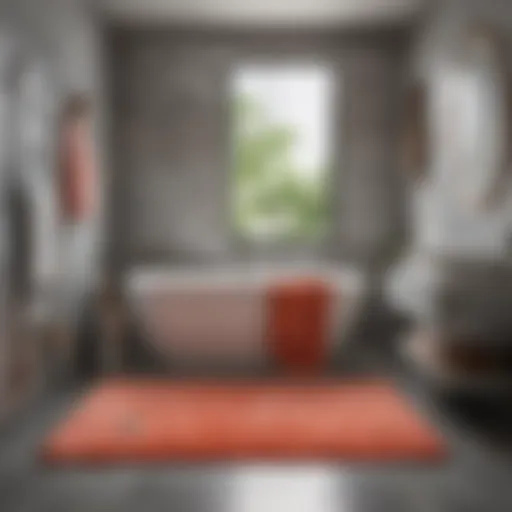
Using bold colors and patterns is no longer just the realm of experimental designers. Homeowners are increasingly opting for vibrant hues and striking designs that breathe life into their bathrooms. Think deep purples, bright oranges, or even eye-popping blues. When one uses tiles that play against white or neutral colors, they create a stunning contrast that can enliven an otherwise simple space.
Moreover, patterns can tell a story. Whether it's an intricate mosaic or geometric shapes, these tiles change the atmosphere, capturing attention effortlessly. Homeowners often find that selecting a standout tile as an accent piece can frame the space beautifully.
"Choosing the right tile color and pattern is like painting a canvas. It reflects your personality and adds character."


Considerations for using bold patterns include balancing them with simpler elements elsewhere in the bathroom. For instance, if the floor boasts an elaborate design, keeping the walls understated helps maintain a visual balance without overwhelming the senses.
Sustainable and Eco-Friendly Options
Increasingly, the emphasis on sustainability is reshaping tile designs. Many homeowners are searching for eco-friendly tiles that reduce environmental impact. Materials like recycled glass or sustainably sourced stones have come into vogue. These options not only appeal to environmentally conscious individuals but also imbue the space with a unique charm, often featuring textures or colors that differ from conventional tiles.
Using eco-friendly tiles offers benefits beyond aesthetics. The preservation of natural resources and reduction in waste aligns well with contemporary values, and consumers feel good about making responsible choices. Many such tiles influence indoor air quality positively, as they tend to be less toxic than their traditional counterparts.
One great approach is incorporating these tiles in high-visibility areas, thus marrying eco-friendliness with design. For example, a recycled glass tile backsplash can act as both a functional surface and a lively focal point.
Mixing Materials and Styles
One prevailing trend is the art of mixing materials. Homeowners are no longer confined to just one type of tile or material. By combining ceramics, stone, and even wood-inspired tiles, a richer and more layered aesthetic emerges. This approach allows for creative freedom and can tailor a bathroom to reflect the homeowner's unique taste.
For instance, mixing matte porcelain tiles with glossy glass can bring depth and interest to the surface. It's a delightful play of contrasts that captures the eye and often becomes a topic of conversation. Furthermore, blending traditional designs with modern elements creates a delightful fusion that resonates with diverse audiences.
Yet, while integrating different materials, it’s wise to maintain an underlying theme or color palette. Staying cohesive ensures that the final result is harmonious rather than chaotic.
DIY Tile Projects for the Homeowner
Embarking on a DIY tile project can significantly enhance your bathroom’s aesthetic while providing a sense of accomplishment. This section focuses on the tangible benefits of taking on tile-related tasks at home. By engaging in these projects, homeowners not only save on labor costs but also personalize their space according to preference. It’s a practical approach to home improvement that empowers individuals to express creativity and functional needs. Not to mention, the chance to learn hands-on skills that can be useful in countless other tasks around the house.
Preparing Your Space
Preparation is key to any successful DIY project. Begin by clearing out your bathroom completely; this means removing items such as toiletries, towels, and any décor. You will need a running start without obstacles in your way. Next, ensure that the surfaces where tiles will be applied are clean, dry, and free from imperfections. A smooth surface is vital, so consider filling any cracks or holes and sanding down uneven areas. Additionally, take measurements accurately to determine how many tiles you’ll need, as well as the layout to avoid last-minute surprises.
Tools and Materials Needed
Gathering the right tools and materials ahead of time will save you headaches later on. Here are the essentials you’d often find helpful:
- Tiles: Choose your desired type, keeping in mind color and texture.
- Tile Adhesive: This will bond your tile in place.
- Grout: Necessary for filling the gaps between tiles once they are laid.
- Tile Cutter: You’ll need this for fitting tiles in awkward spaces.
- Level and Trowel: To ensure your tiles are perfectly aligned and set.
- Sponge and Bucket: For cleaning up adhesive and grout residue.
- Protective Gear: Safety glasses, gloves, and kneepads can help prevent injuries during installation.
Installation Techniques
When it comes to installing tiles, knowing the right techniques can make all the difference. Below are various aspects to consider during installation:
Using Adhesives
When laying tile, employing the right adhesive is crucial. The primary function of tile adhesive is to create a strong bond between the tile and the surface, ensuring durability over time. The most popular choices include thin-set mortar and mastic. Thin-set mortar is ideal for wet areas like bathrooms because it offers water resistance after curing. On the other hand, mastic is easier to use for wall tiles since it remains workable for longer. A disadvantage of mastic is that it’s not recommended for areas with prolonged water exposure.
Cutting Tiles
Tile cutting is an essential skill that you’ll need to master for a successful installation. A tile cutter or a wet saw are typically used to ensure clean cuts. One key aspect to highlight is the convenience of using a tile cutter; they often provide quick and precise cuts, minimizing waste. Wet saws, while more complex, offer smoother edges and reduce the risk of cracking. However, they can require some experience to handle properly. Careful planning of your cuts also helps avoid common pitfalls, ensuring a professional finish.
Sealing and Grouting
Sealing and grouting come after the tiles are set and cured. Grout acts as a filler for the spaces between tiles, enhancing aesthetics and providing structural integrity. You’ll want to choose a grout color that complements your tile choice for a cohesive look. In addition, sealing your grout can protect against moisture and stains, extending its lifespan. However, one must note that sealing may require periodic reapplication depending on use and environmental factors.
Quick Tip: Remember to read manufacturer guidelines for the specific adhesives and grouts you choose; the correct application method can significantly affect the quality of your finished project.
By understanding the essential steps involved in your DIY tile project, homeowners can turn their bathroom into a stylish and functional sanctuary. This knowledge empowers you to make informed decisions and implement best practices for a successful outcome.
Maintenance of Bathroom Tiles
Caring for your bathroom tiles is akin to tending to a fine piece of furniture; neglect can lead to deterioration and an aesthetic decline that is hard to recover from. Bathroom tiles not only serve functional purposes but also significantly contribute to the overall design and feel of the space. Regular maintenance is crucial for keeping them in top condition, ensuring their longevity and beauty.
In this section, we will outline several key aspects of tile maintenance that cover both cleaning and dealing with common issues that could arise. By understanding and implementing these maintenance practices, homeowners can enhance the look and functionality of their bathrooms.
Cleaning and Care


Keeping bathroom tiles clean is more than simply wiping down surfaces; it involves a routine that protects and preserves their integrity over time. Different tile materials may require distinct cleaning solutions and methods. For instance, porcelain tiles are generally more resistant to stains and moisture compared to natural stones. Here are some tips for effective cleaning:
- Avoid Harsh Chemicals: Use mild detergents that are tile-safe. Harsh cleaners can damage the glaze on tiles and erode grout joints.
- Regular Sweeping or Vacuuming: Dirt and grit can scratch tile surfaces, so regular cleaning helps to avoid wear and tear.
- Mopping with Warm Water: For deeper cleans, mopping with warm water can help dissolve any buildup of soap scum and grime.
- Utilize Sealers: Applying a good quality sealer on grout lines can prevent moisture from penetrating and causing mold—keeping your tiles looking brand new.
The benefits of proper tile care are manifold, from maintaining aesthetic appeal to preventing costly repairs down the line.
Dealing with Common Issues
Cracked Tiles
Cracked tiles are an unfortunate reality in bathrooms. They often arise due to temperature fluctuations, heavy impacts, or poor installation. However, their presence can sometimes be indicative of larger underlying issues such as shifting foundations. Addressing cracked tiles promptly is key to preventing water damage and further deterioration. Cracked tiles can lead to:
- Increased Water Penetration: This can eventually lead to a more serious mold issue behind the tile.
- Aesthetic Disruption: A cracked tile can detract from the desired visual harmony of your bathroom.
Grout Discoloration
Grout discoloration is another common problem that can diminish the beauty of your tiling. Over time, regular exposure to moisture, soap, and dirt can cause grout to lose its pristine color, leading to an unappealing, dirty appearance. This issue not only affects aesthetics but can also trap moisture and promote mold growth.
To combat grout discoloration, consider the following measures:
- Regularly Cleaning Grout: Using a small brush with a mix of baking soda and vinegar can work wonders in restoring the original color of grout lines.
- Grout Sealant: Applying a sealant post-cleansing can protect against future discoloration and stains.
Aged or damaged grout can lead to unwelcome surprises like structural compromise or costly repairs in the future.
"Your tiles are an investment; overlooking maintenance is akin to letting that investment crumble."
By addressing these common concerns, homeowners not only extend the lifespan of their tiles but also maintain the aesthetic charm of their bathrooms. Keeping this maintenance routine in check will certainly repay the effort with enduring beauty and comfort in your space.
Incorporating Tile with Other Design Elements
In the realm of bathroom design, incorporating tiles with other elements is akin to weaving a tapestry; each thread has its place, contributing to the overall beauty and functionality of the space. This section highlights the importance of synergy between tiles and fixtures, lighting, and other decorative elements, enhancing both aesthetics and practical use.
Combining Tiles with Fixtures
When discussing the integration of tiles with fixtures, one must note that it's not just about placing tiles and fixtures side by side. It's about creating a cohesive visual language. Fixtures like sinks, bathtubs, and even faucets can complement or clash with tiles, depending on various factors such as color palette, material choice, and design style. For example, a modern freestanding tub can be elegantly framed by geometric tile patterns on the surrounding walls, creating a striking focal point.
- Match Materials: If you have porcelain tiles, consider coordinating with brushed nickel or matte black fixtures to maintain a polished, unified look.
- Play with Colors: Choosing fixtures that either match or contrast the tiles can make a statement. A deep blue tile backsplash works well with brass or gold-toned fixtures, giving an airy feel to a luxurious experience.
- Style Consistency: Ensure that the style of the fixtures aligns with the tiles - vintage fixtures with rustic tiles create charm, while minimalist fixtures cater to a sleek interior.
The interplay of textures is also vital. Mixing smooth tile surfaces with textured faucets or sink designs can add depth.
Integrating Lighting Solutions
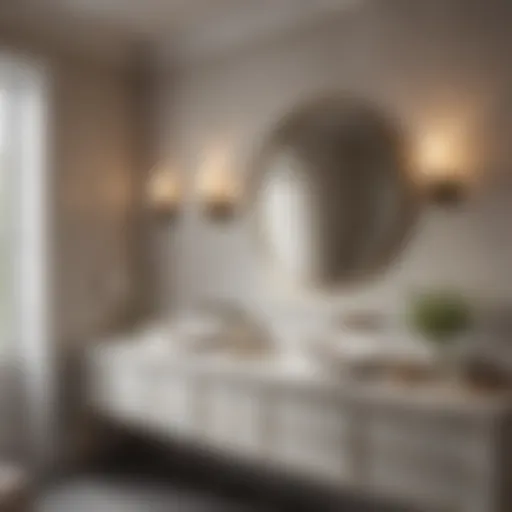
Lighting can make or break the ambiance of any bathroom. Here, tiles can amplify the effects of different lighting sources. Natural light often plays nicely with glossy tiles, reflecting brightly and making smaller spaces feel larger. On the other hand, matte tiles lend themselves well to soft and warm lighting, creating a cozy, intimate atmosphere.
- Types of Lighting: Consider ambient and task lighting, like recessed fixtures or wall-mounted sconces, to adjust the mood.
- Accent Lights for Highlighting: Using lighting to highlight certain features, such as an accent wall of tiles, can turn a plain bathroom into a personal sanctuary. Installing LED strips under wall-mounted fixtures or around mirrors can create an inviting glow and emphasize the unique tile patterns.
- Dimmer Switches: These can be a game-changer. They allow homeowners to shift from bright functional lighting during the morning rush to softer lighting for a relaxing unwind in the evening.
By carefully considering how these elements interact, homeowners can craft inviting and harmonious spaces.
"Bringing tiles together with fixtures and lighting is more than just design; it's about creating a cohesive experience that resonates with anyone who enters the bathroom."
In sum, harmonizing tiles with various elements elevates the aesthetic appeal of a bathroom while enhancing usability. Every choice, from tile size to fixture finish, also reflects personal style, turning standard bathrooms into powerful self-expressions.
Whether it's placing tactile tiles alongside sleek fixtures or designing lighting that dances off reflective surfaces, the rewarding outcome is a bathroom that feels curated, intentional, and distinctly yours.
The End and Final Thoughts
As we draw this journey on tile decorations for bathrooms to a close, it’s important to reflect on the myriad ways tiles can radically transform a space. They are not just practical elements but serve as pivotal components that define a bathroom’s character and style. When you think of your bathroom, consider how tile choices contribute to both functionality and aesthetics.
The Importance of Tile Selection
Choosing the right tiles isn’t just about the visual appeal. It’s about durability, maintenance, and how they fit into your overall design theme. From ceramic to porcelain, each tile type carries its own pros and cons. For instance, porcelain tiles offer robustness, making them ideal for high-traffic areas, while glass tiles can introduce elegance and a sense of spaciousness. Striking the right balance between functionality and artistry is essential.
"Tiles can change a room's mood without raising a hammer. Choose wisely!"
Trends and Future Directions
We’re also standing at the cusp of exciting trends that include sustainable materials and bold color schemes. As more homeowners seek unique expressions of their personal style, embracing innovative materials and designs can enhance bathrooms beyond conventional boundaries. It’s not just about following trends but about pioneering your own aesthetic, marrying function with flair.
Careful Planning and Execution
Through careful planning and execution, the DIY projects have been highlighted as a means for homeowners to engage personally with their spaces. They foster a connection to the environment where daily life unfolds. You can create spaces that not only serve their purpose but also resonate with individual tastes. Remodeling a bathroom isn’t simply updating; it’s an opportunity to create a sanctuary that reflects you.